

Short-form videos rule Instagram these days. Reels grab attention fast and drive massive growth in 2025. Static posts often sit ignored while Reels explode on feeds and Explore pages.
You want your content to shine? This guide breaks down the Instagram Reels algorithm. We’ll cover the key signals that push your videos to more viewers. Expect clear steps to boost your reach right away.
Foundational Understanding: How the Reels Ranking System Works
What Makes Reels Different from In-Feed Video?
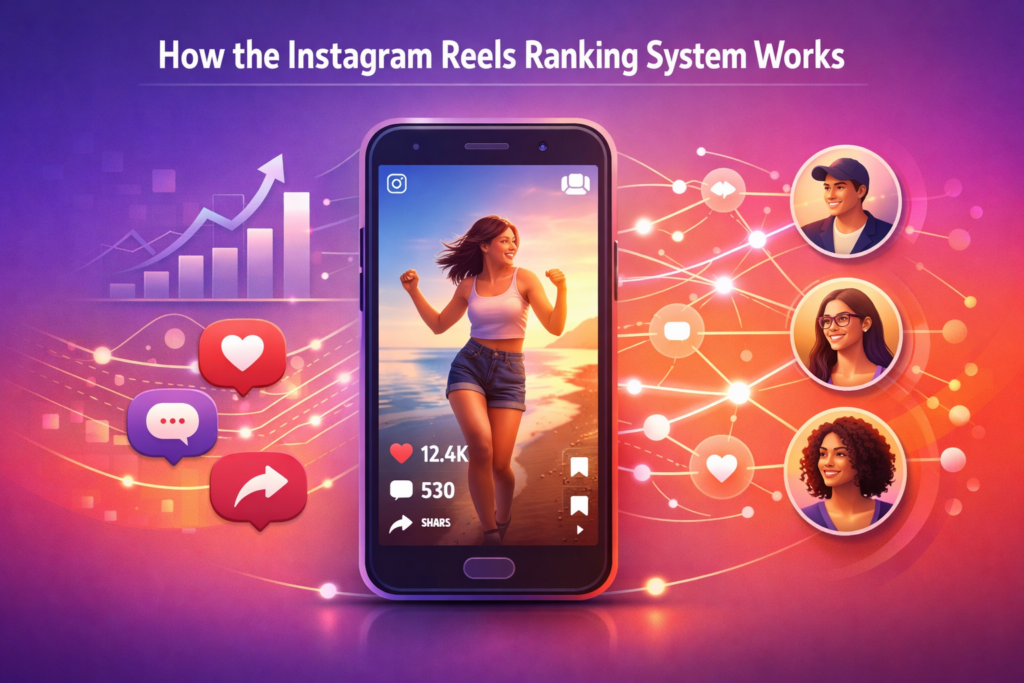
Reels stand out because they focus on fun and quick views. Unlike regular videos stuck in your followers’ feeds, Reels push to everyone based on quality. The algorithm tests them on small groups first, then spreads winners wide.
This shift means reach doesn’t rely on your follower count alone. Great Reels from new accounts can go viral overnight. Keep entertainment high to beat the competition.
The Core Goal: Maximizing Session Time
Instagram wants users glued to the app. The Reels algorithm picks videos that spark longer sessions. It guesses what keeps you scrolling without a break.
Think of it like a smart playlist. If your Reel leads to more watches, it wins. This goal shapes every ranking choice.
Initial Velocity: The Crucial First Hour
Early buzz sets the tone for your Reel. In the first hour, likes, comments, and shares signal potential. The algorithm watches these to decide on wider pushes.
A strong start can double your views fast. Post when your audience peaks for that quick lift. Miss it, and recovery gets tough.
The 7 Proven Signals Driving the Reels Algorithm
Signal 1: High Completion Rate and Re-Watch Frequency
Viewers finishing your Reel top to bottom matters most. A 100% watch rate tells the algorithm it’s worth showing more. Re-watches, like looping the video, boost this even higher.
Hook them in the first three seconds with a question or surprise. Pace it quick—short clips keep eyes locked. End with a punchy twist to make them hit replay.
For example, a quick recipe Reel that solves a common kitchen problem often gets looped. Aim for under 15 seconds to nail this signal.
Signal 2: Direct Engagement Metrics (Shares and Saves)
Shares spread your content like wildfire—they show real value. Saves mean viewers plan to return, signaling long-term appeal. Likes are nice, but these two carry more weight.
Create Reels with tips they can’t resist sharing, like “5 ways to fix bad hair days.” Tutorials or hacks work best here. Add a call to action: “Save this for later!”
Data shows Reels with high saves get 20% more reach. Focus on useful content over flashy edits.
Signal 3: Watch Time and Session Duration
Total time spent on your Reel counts big. But chaining views to other Reels amps it up. If users watch yours then binge similar ones, your session impact soars.
Make series that link topics, like fitness tips building on each other. This keeps viewers in your world longer. Short bursts lead to longer stays overall.
Track how your content fits into user habits. Strong watch time can push you to Explore pages quick.
Signal 4: Audio Selection and Trending Music Usage
Trending tracks signal you’re in tune with hot topics. The algorithm favors Reels using popular sounds for faster spread. It matches them to users loving that vibe.
Pick audio from the Reels tab’s top charts. Original sounds can win too if they catch fire—think unique voiceovers. Pair music with visuals that sync perfectly.
One study found trending audio boosts views by 30%. Test a few to see what clicks with your niche.
Signal 5: Creator Quality and Consistent Posting Cadence
The algorithm trusts steady creators with solid hits. Post quality over quantity—two great Reels a week beat daily duds. Build a pattern of wins to earn favor.
Skip watermarks from TikTok; they flag as low effort. Clean, original uploads look pro. Consistency lets the system predict your next success.
New creators, start with one Reel every three days. Over time, this builds your rep for broader reach.
Signal 6: Relevance Through Keywords and On-Screen Text
Instagram scans text on screen, captions, and even spoken words. Keywords help sort your Reel into right categories. This targets it to interested eyes.
Use terms like “easy home workouts” in overlays and descriptions. Keep text bold and short—three words max per screen. Speak naturally; transcription picks up key phrases.
This acts like SEO for video. Reels with clear keywords show up in searches 40% more. Test variations to refine.
Signal 7: Viewer Interaction History (Personalization)
Feeds tailor to each user based on their habits. What they’ve watched or skipped lately shapes what they see next. Your Reel must match their past likes.
The algorithm looks at the last 24 hours for fresh signals. If a viewer loves pet tips, push that content their way. Personal touches win big.
Build profiles over time. Consistent themes help the system connect you to the right crowd.
Optimization Tactics for Each Stage of the Reel Lifecycle
Pre-Upload Strategy: Planning for Performance
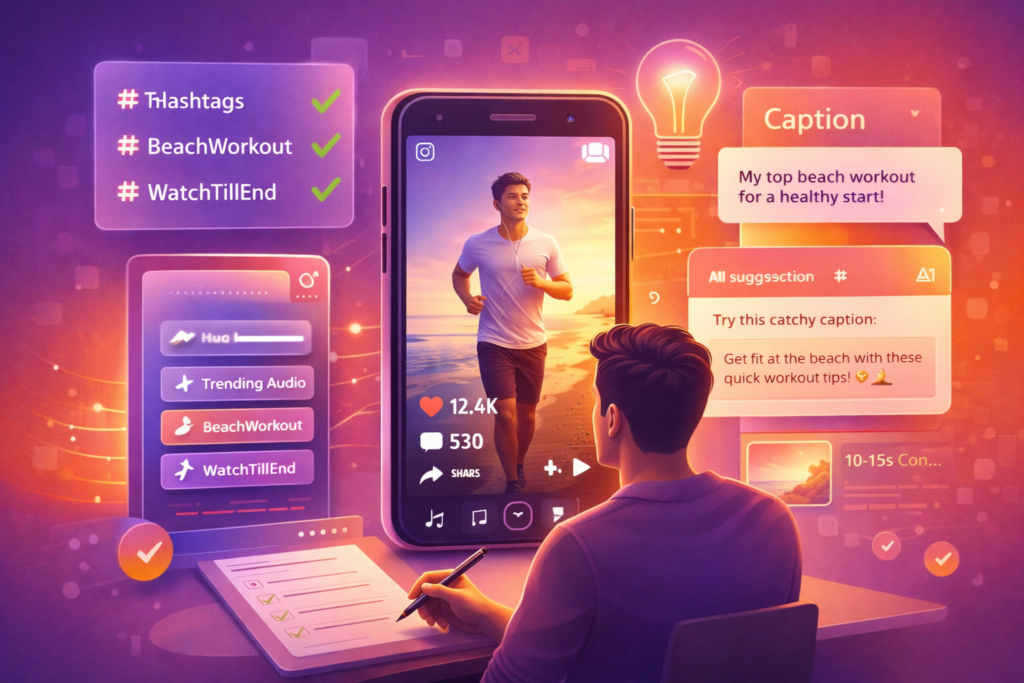
Research trends before you hit record. Check what’s hot in your niche via the Explore tab. Test hooks with quick polls on Stories.
Shoot in 9:16 aspect ratio at 1080p for crisp quality. A/B test thumbnails—bright colors draw clicks. Plan content around the seven signals from the start.
Tools like short-form video tips can spark ideas. Prep this way to set up wins.
In-Feed Optimization: Caption and Hashtag Strategy
Craft captions with natural keywords and a strong hook. Ask a question or tease value: “Struggling with motivation? Watch this.” End with a CTA like “Tag a friend who needs this.”
Use 3-5 relevant hashtags, not 30. Pick specifics like #ReelHacks over broad ones. This guides the algorithm without spam flags.
Captions under 150 characters keep it snappy. They boost discoverability when users search.
Post-Publish Analysis: Reacting to Early Data
Check insights two hours after posting. Look at completion rate and shares first. Low numbers? Share to Stories for a views kick.
If it gains traction, reply to comments fast to fuel engagement. Underperformers might need a boost via DMs to fans. Adjust based on data for next posts.
Track patterns weekly. This turns guesswork into smart moves.
Common Misconceptions and Algorithm Pitfalls to Avoid
Debunking Algorithm Myths
Forget “magic” post times—they vary by audience. Test your own peak hours instead. Reel length? 7-15 seconds often wins, but match your story.
No need for fancy effects if content lacks punch. Focus on signals over trends alone. Myths like “more followers equal more reach” died with the update.
Stick to facts for real growth.
Penalties: What Gets Your Reel Suppressed?
Blurry uploads scream low quality. The algorithm buries them quick. Too much text blocking the view? It flags as spammy.
Misleading thumbnails or claims trigger flags too. Keep promises real to avoid shadow bans. Clean edits prevent these hits.
Quality control saves your reach.
The Danger of Cross-Posting Without Modification
Straight copies from other apps carry watermarks. Instagram spots them and dunks on priority. Edit for platform fit—crop, add text, tweak audio.
This keeps it fresh and original. Modified cross-posts can still thrive if they feel native. Avoid the easy trap for better results.
Mastering the Feedback Loop for Sustainable Growth
The Instagram Reels algorithm thrives on engagement that sticks. Focus on those seven signals—completion rates, shares, watch time, audio, consistency, keywords, and personalization. They turn one-off views into loyal fans.
Test one tweak weekly, like stronger hooks or trending sounds. Watch your metrics climb over the month. Build this loop, and your Reels will reach new heights in 2025. Start today—what signal will you optimize first?
FAQ (Frequently Asked Question)
What is the Instagram Reels algorithm?
The Instagram Reels algorithm determines which Reels are shown to users based on their interests, engagement history, and interactions with content.
How does the Reels algorithm decide what I see?
The algorithm analyzes user behavior, including likes, shares, comments, and the types of content you engage with to recommend relevant Reels.
What are the key factors that influence the Reels algorithm?
Key factors include user engagement, video information (like captions and hashtags), account interactions, and trends within the community.
What are the 7 proven signals for maximum reach?
The 7 signals include: engagement rate, watch time, shares, comments, likes, saves, and the use of trending audio.
Does posting time affect my Reels performance?
Yes, posting when your target audience is most active can improve visibility and engagement, positively impacting the algorithm.